
Safety
Safety & compliance
Safety is built into every stage of our work, from earthing and protection on site to regular checks and emergency response after launch.
Approach
Our safety principles
Safe by design
Earthing, protection and lightning arrestors are planned into every site from day one.
Safe on site
Safety equipment, PPE and supervised work during civil and electrical works.
Checked regularly
Routine inspection and electrical safety checks after commissioning.
Ready to respond
Emergency response and fault handling to protect users and equipment.
In detail
How we put it into practice
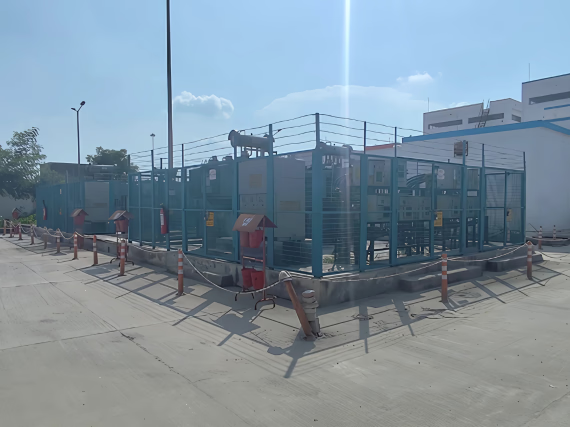
Safety Equipment and Compliance
We prioritize safety at all stages by installing essential equipment such as fire extinguishers, sand buckets, rubber insulation mats, lightning arresters, and electrical safety signboards. All installations comply with EV Charging Station Guidelines, ensuring the highest safety standards are met.
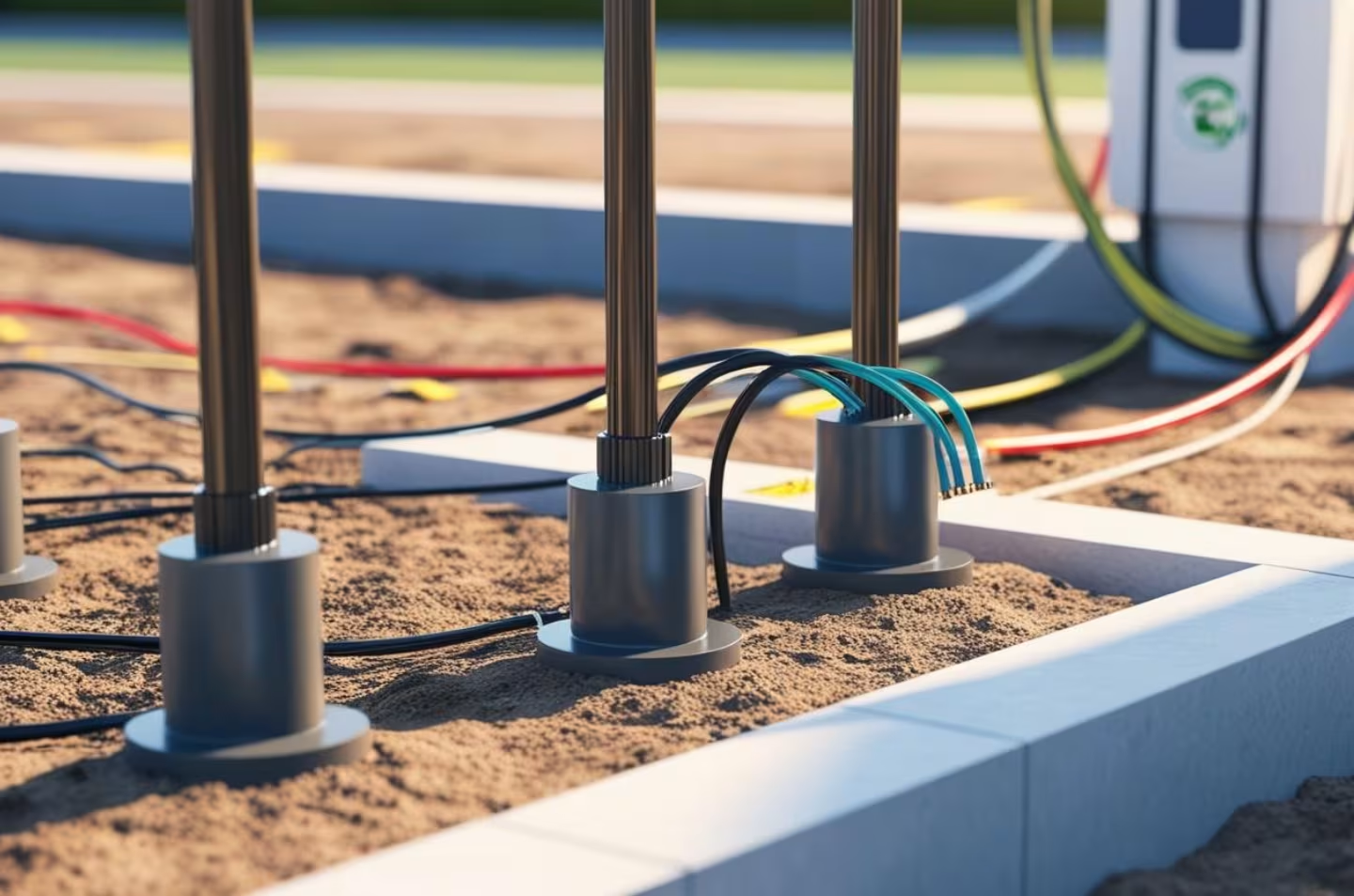
Earthing & Grounding System Setup
A well-designed earthing system is critical for protecting both the equipment and personnel from electrical faults. This involves installing grounding rods, conductors, and bonding connections to dissipate excess electrical energy safely into the ground, reducing the risk of electrical hazards.
- Grounding Electrode Installation: Placing copper rods or conductive plates to dissipate excess electrical energy.
- Bonding Conductors: Connecting all metal components to prevent electrical surges.
- Lightning Protection System: Installing surge arresters to safeguard equipment from voltage spikes.
- Periodic Testing: Ensuring consistent grounding resistance for long-term reliability.
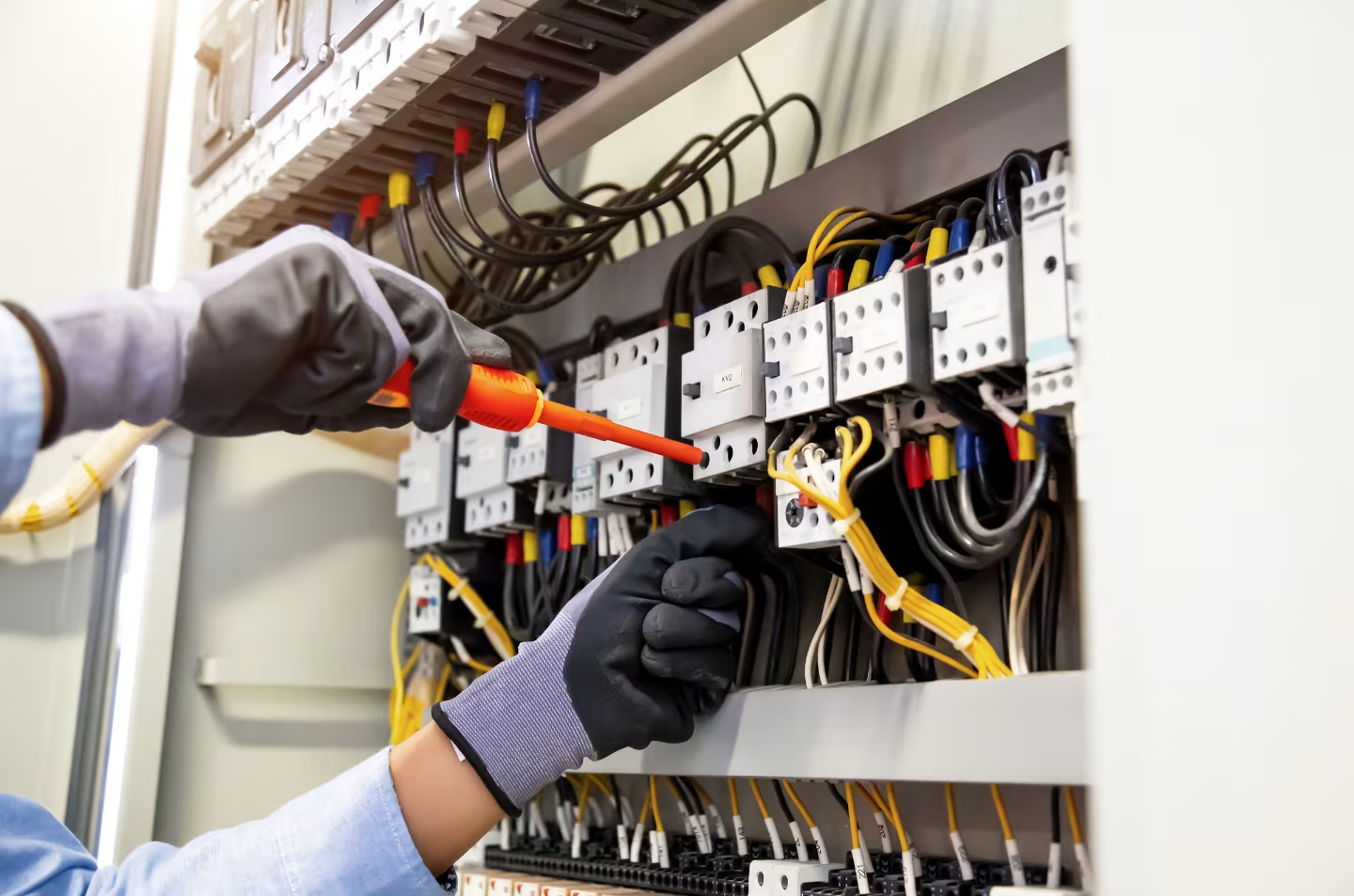
Control & Protection System Integration
To ensure safe and automated operation, a substation requires an advanced control system. Protective relays, SCADA systems, and communication interfaces are installed to monitor performance, detect faults, and enable remote management of the substation.
- SCADA Integration: Allowing remote monitoring and automated fault detection.
- Protective Relays: Safeguarding the system from overloads and short circuits.
- Communication Networks: Enabling real-time data transmission between substation components.
- Emergency Shutdown Mechanisms: Ensuring quick response in case of system failures.
Electrical System & Safety Checks
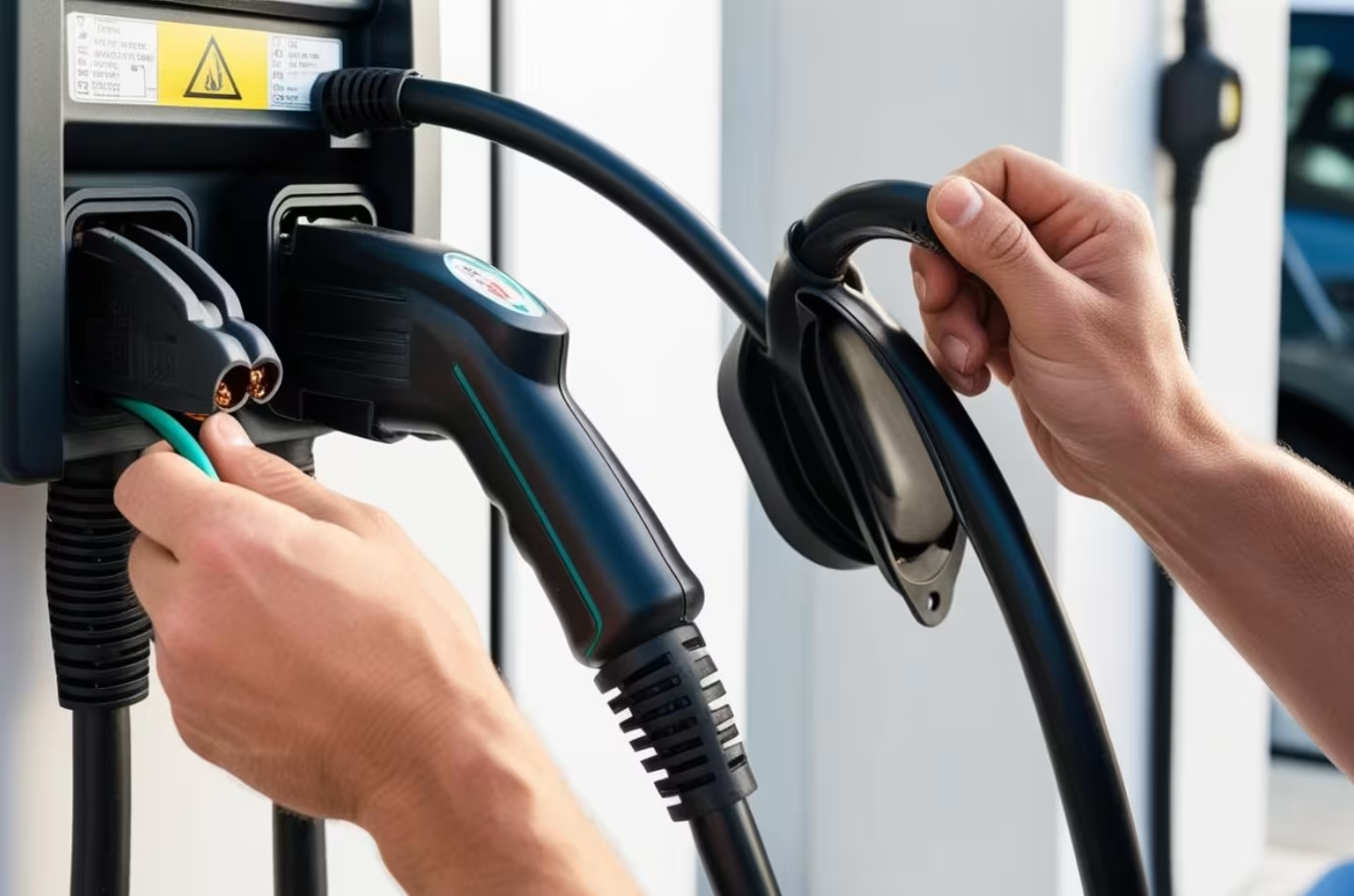
Periodic inspections of electrical components, including wiring, circuit breakers, and grounding systems, prevent hazards such as short circuits and overheating. Monitoring voltage fluctuations and ensuring a stable power supply protects both the charging infrastructure and the vehicles being charged.
- Inspect circuit breakers, fuses, and power lines for any potential hazards.
- Conduct insulation and grounding tests to prevent electrical shocks or short circuits.
- Ensure that emergency shut-off mechanisms are operational for immediate response to faults.
Emergency Response & Fault Handling
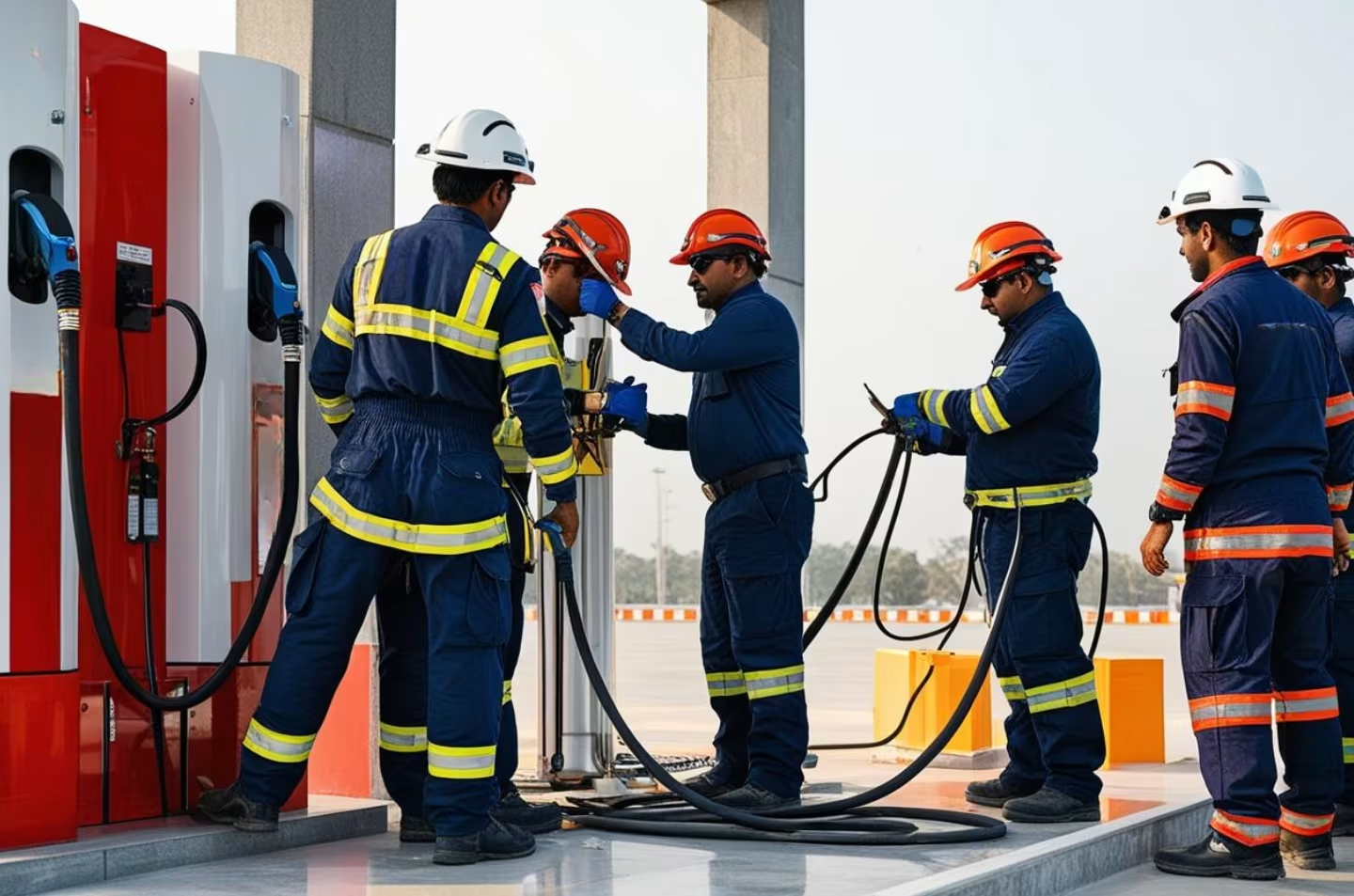
Having a rapid response plan in place for charger malfunctions minimizes downtime. A dedicated team should be available to troubleshoot faults, replace damaged components, and restore services quickly. Keeping diagnostic tools on-site can speed up issue resolution.
- Train on-site personnel to identify and respond to charging failures or power interruptions.
- Maintain backup power solutions such as battery storage or generators for emergency use.
- Keep spare parts and essential repair tools on-site for quick replacements.
Physical Security & Vandalism Prevention
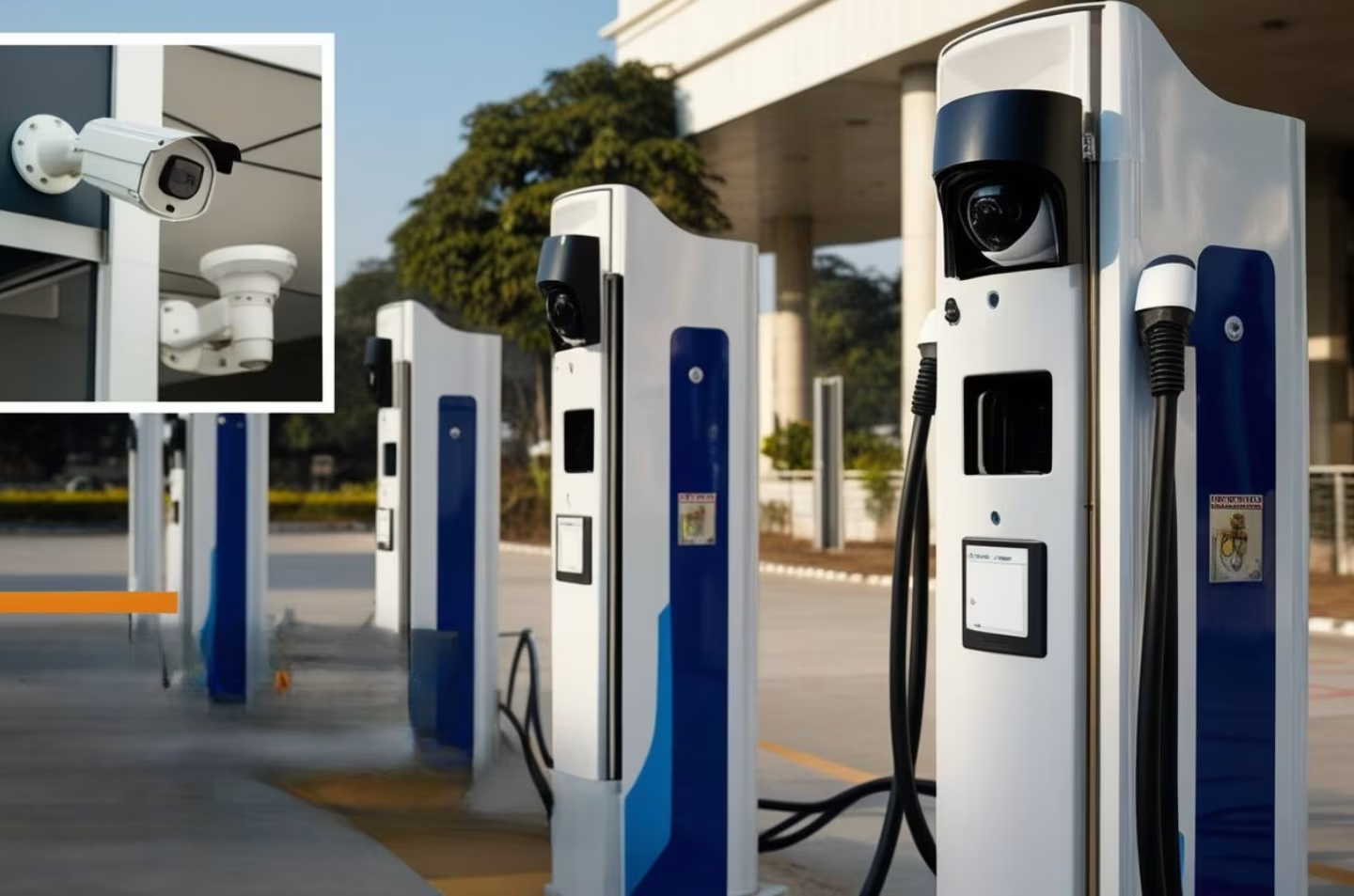
Protecting charging stations from theft, vandalism, and unauthorized access is crucial for long-term operation. Installing surveillance cameras, anti-tampering mechanisms, and robust station enclosures enhances security. Regular patrols and reinforced station design deter potential damage.
- Install protective enclosures to safeguard charging units from vandalism and weather damage.
- Use bollards or barriers to prevent accidental vehicle collisions with charging stations.
- Employ security personnel or partner with local authorities to ensure safe operations.

Compliance with Safety & Environmental Standards
Adhering to government regulations and safety standards ensures operational legitimacy and prevents penalties. Regular audits, certification renewals, and implementation of fire safety measures guarantee a safe charging environment. Sustainable practices, such as responsible waste disposal and eco-friendly installations, further enhance compliance.
- Ensure that chargers meet government safety and performance standards.
- Implement eco-friendly maintenance practices such as responsible disposal of damaged cables and electronic waste.
- Regularly audit stations for compliance with environmental policies and power efficiency standards.
Questions about safety on your site?
Our engineers can walk you through our safety and compliance practices.